For decades, diesel generators have been the default solution for backup power. Whether protecting factories from grid outages or supplying electricity to remote industrial sites, they have long been considered essential.
But, something is stirring things!
Battery Energy Storage Systems (BESS) have evolved from simple energy storage devices into intelligent power management systems capable of providing instant backup power, stabilizing electrical networks, reducing operating costs, and integrating renewable energy. As battery prices continue to decline and energy management software becomes more sophisticated, many businesses are asking the same question:
Can battery storage replace diesel generators?
The short answer is yes, but not in every situation.
The best solution depends on how long backup power is needed, how critical uninterrupted operations are, and whether renewable energy is part of the project. In many commercial and industrial applications, battery storage can significantly reduce—or even eliminate—the need for diesel generators. In others, diesel still has a role, but no longer as the primary source of backup power.
Let’s look at where BESS excels, where diesel still has advantages, and why hybrid energy systems are becoming the new industry standard.
Why Businesses Are Looking Beyond Diesel
Diesel generators have earned their reputation for reliability, but they also come with significant drawbacks.
Fuel prices fluctuate, maintenance requirements increase over time, and generators must often run even when only a small amount of power is needed. They also produce noise, emissions, and vibration, making them less attractive for businesses pursuing sustainability goals or trying to reduce operational expenses.
For remote sites, fuel logistics introduce another challenge. Transporting diesel over long distances increases costs and creates additional operational risks if deliveries are delayed.
At the same time, electricity demand is becoming more sensitive. Modern factories rely on automation, variable-speed drives, robotics, and digital control systems that can be affected by even brief voltage disturbances.
In many cases, businesses need better energy management.
What Makes BESS Different Compared to Generators?
Unlike a diesel generator, a Battery Energy Storage System does not generate electricity. Instead, it stores energy from the grid, solar panels, or other renewable sources and delivers it precisely when needed.
When combined with an Energy Management System (EMS), BESS continuously monitors energy flows and automatically determines the most efficient power source.
During normal operation, the battery can:
- Store excess solar generation
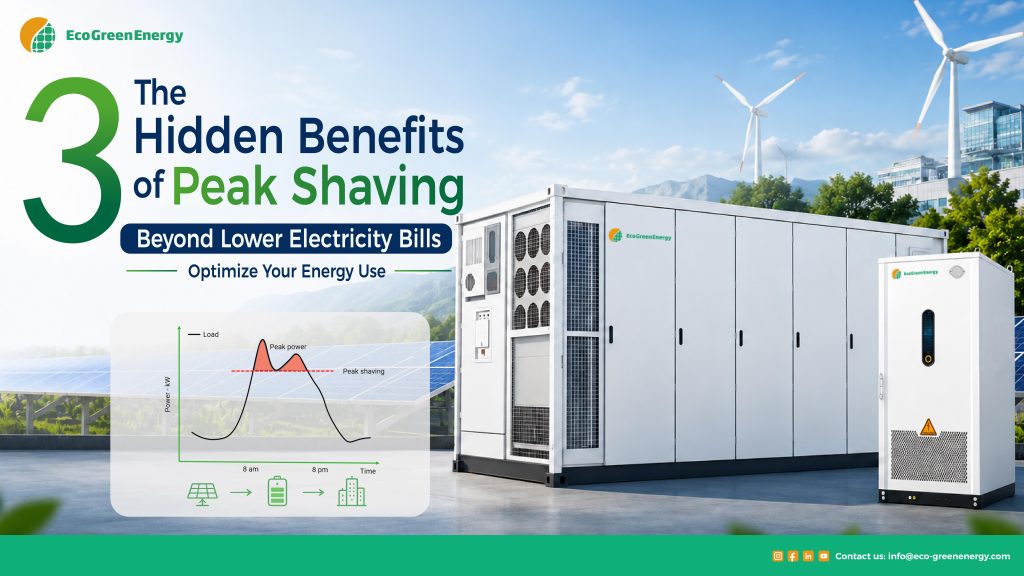
- Reduce peak electricity demand
- Improve power quality
- Stabilize voltage and frequency
- Reduce dependence on diesel generators
If the grid fails, the transition happens almost instantly. While many diesel generators require several seconds to start and synchronize, a properly configured BESS can supply power within milliseconds, helping prevent production interruptions and protecting sensitive equipment. This rapid switchover is one of the biggest reasons batt
BESS vs. Diesel Generators
Although both technologies provide backup power, they solve different problems.
| Feature | Battery Energy Storage (BESS) | Diesel Generator |
|---|---|---|
| Response time | Milliseconds | Several seconds |
| Noise | Silent | High |
| Local emissions during operation | None | Yes |
| Fuel dependency | No | Yes |
| Maintenance | Relatively low | Regular servicing required |
| Power quality | Excellent voltage and frequency regulation | Depends on generator performance |
| Long-duration backup | Limited by battery capacity | Limited mainly by fuel availability |
This comparison highlights an important point: BESS is a smarter energy management solution.
When Can BESS Replace Diesel Generators?
Many commercial applications experience relatively short power interruptions that last from a few seconds to a few hours.
In these situations, battery storage often provides all the backup power required.
Typical examples include:
- Commercial buildings
- Hotels
- Hospitals (for selected critical loads)
- Data centers with UPS integration
- Manufacturing facilities
- Cold storage warehouses
- Office campuses
Beyond backup power, these businesses also benefit from daily energy optimization. Instead of sitting idle while waiting for an outage, the battery can reduce peak demand charges, increase solar self-consumption, and improve overall energy efficiency.
This allows a single investment to deliver value every day rather than only during emergencies.
When Diesel Still Makes Sense
Battery storage is powerful, but it is not a universal replacement.
Sites requiring several days of continuous backup without renewable generation may still rely on diesel because fuel can simply be replenished.
Examples include:
- Remote mining operations
- Disaster response
- Telecommunications requiring multi-day autonomy
- Areas with prolonged grid outages
- Industrial sites with very high continuous loads
However, even in these environments, the role of diesel is changing.
Instead of running continuously, many facilities now use batteries to supply everyday fluctuations while diesel generators operate only during extended outages or prolonged periods of low renewable generation.
This significantly reduces fuel consumption, maintenance costs, and operating hours.
Why Hybrid Systems Are Becoming the Popular
One of the biggest misconceptions is that businesses must choose between battery storage and diesel.
Increasingly, they choose both.
A hybrid system combining solar PV, battery storage, and an existing diesel generator often delivers the best balance between reliability, operating costs, and resilience.
In this configuration:
- Solar panels generate electricity during the day.
- Excess solar energy charges the battery.
- The battery powers loads during the evening or grid outages.
- The diesel generator starts only if battery reserves become insufficient.
Instead of being the primary energy source, the generator becomes the last line of defense.
This approach dramatically reduces fuel consumption while maintaining the reliability many industrial facilities require.
A Real Industrial Example
During an internal feasibility study for industrial facilities in the Republic of the Congo, Eco Green Energy evaluated how solar PV and battery storage could reduce dependence on diesel generation in both remote and grid-connected industrial sites.
The analysis identified several recurring operational challenges:
- Frequent power interruptions
- Voltage instability
- High fuel transportation costs
- Heavy maintenance requirements
- Production losses caused by unexpected outages
- Large motor starting currents placing stress on diesel generators
Rather than eliminating diesel completely, the proposed systems repositioned it as emergency backup.
In one modeled scenario for an isolated forestry base consuming approximately 700 MWh annually, a solar-plus-storage system achieved approximately 90% solar energy coverage, reducing diesel consumption by roughly 170,000 liters per year while avoiding around 460 tonnes of CO₂ emissions annually.
Larger industrial simulations showed similar trends, with modeled diesel reductions approaching 88–90%, depending on load profiles and operating conditions.
While every project requires site-specific engineering, these results demonstrate that battery storage can transform diesel from a continuously operating asset into an occasional backup resource.
Beyond Backup Power: Additional Benefits of BESS
Replacing or reducing diesel is only one part of the equation.
Battery storage also helps businesses:
- Increase solar self-consumption
- Reduce electricity demand charges
- Improve power quality
- Protect sensitive equipment from voltage fluctuations
- Prioritize critical loads during outages
- Lower carbon emissions
- Improve energy resilience
When paired with an Energy Management System (EMS), these benefits become even greater. The software automatically determines when to charge, discharge, draw power from the grid, or reserve battery capacity for emergency situations.
The result is an energy system that responds dynamically instead of relying on manual intervention.
So, Can BESS Replace Diesel Generators?
For many commercial and industrial facilities, yes.
If outages are relatively short and renewable energy is available, battery storage can often replace diesel generators entirely while providing additional operational benefits every day.
For facilities requiring extended autonomy or operating in extremely remote environments, diesel still has an important role. However, it increasingly serves as a backup to the battery—not the other way around.
This shift reflects a broader change in how businesses think about energy resilience.
Instead of designing systems around fuel consumption, they are designing them around efficiency, reliability, and intelligent energy management.
Right now the most common question is:
How much of your diesel consumption can you eliminate?
If you want to learn more about how BESS can be used for back-up power in the manufacturing industries, agriculture and cold storage, you can read our previous article here.
Contact us and we can offer you our free case study for Congo!
Frequently Asked Questions
Can a battery storage system replace a diesel generator completely?
Yes, in many commercial and industrial applications where outages are short or renewable energy is available. Sites requiring several days of continuous backup may still benefit from a hybrid solution.
Is BESS faster than a diesel generator during a power outage?
Yes. A properly configured BESS can switch to backup power in milliseconds, while diesel generators typically require several seconds to start and synchronize.
Can solar panels and battery storage work without diesel?
Yes, provided the system is correctly sized for the site’s energy demand and backup requirements. In some applications, diesel is retained only as an emergency contingency.
Which solution offers the best long-term value?
For many businesses, a hybrid system combining solar PV, battery storage, and an existing diesel generator provides the best balance of reliability, operating costs, fuel savings, and energy resilience.
Feel free to subscribe our LinkedIn Newsletter for more insights, industry news and updates from Eco Green Energy and reach out through email: info@eco-greenenergy.com