When it comes to implementation of solar energy in different settings, solar panels for farms and agricultural businesses always shows up. Solar energy provides clean, reliable power, helps reduce operating costs, and supports sustainability goals. However, not all solar panels are suited for the challenges presented by farm environments. Why? One major threat often overlooked is ammonia exposure — a corrosive gas produced mainly by livestock and fertilizers.
In this article, we explain why ammonia resistance is essential for photovoltaics installed on farms or agrivoltaic systems, how ammonia damages panels, and what certifications and technologies to look for to ensure long-lasting, high-performing solar installations.
What is Ammonia and Why Does it Pose a Risk?
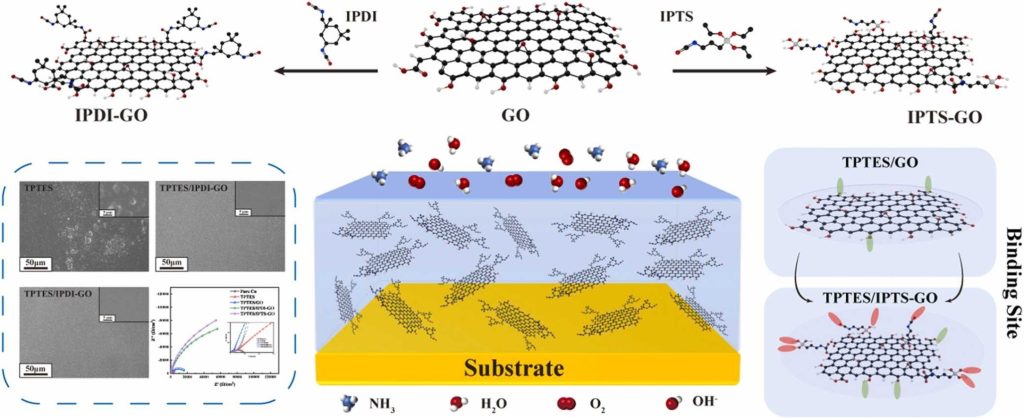
Ammonia (NH₃) is a colorless gas with a strong odor, commonly found in agricultural settings. It is naturally emitted from animal waste such as manure and urine in poultry farms, pig farms, cattle ranches, and even greenhouses where fertilizers are used. Concentrations of ammonia in the air can be significant in enclosed or poorly ventilated areas.
Why is ammonia important when choosing solar panels? Because it is highly corrosive to many materials commonly used in photovoltaic (PV) modules. Over time, ammonia can degrade:
- The backsheet (for monofacial panels),
- The encapsulant (material that protects solar cells),
- The junction box adhesives and sealants,
- And even the metal frames and electrical contacts.
Without proper resistance, ammonia exposure can cause cracks, yellowing, delamination, corrosion, and ultimately, reduced power output and module failure. This leads to costly repairs, replacements, and downtime — all of which harm the return on investment.
How Does Ammonia Damage Solar Panels?
The chemical nature of ammonia allows it to react with certain plastics, adhesives, and metals. For example:
- Backsheet degradation: Ammonia breaks down polymer chains, causing the backsheet to become brittle, crack, or peel away. This compromises the panel’s weatherproofing and electrical insulation.
- Encapsulant yellowing: Ammonia exposure can cause the encapsulant (usually EVA) to discolor and lose transparency, reducing sunlight transmission to the solar cells.
- Corrosion of metal parts: Aluminum frames, copper contacts, and solder joints may corrode faster in ammonia-rich environments, increasing electrical resistance and failure risk.
- Sealant weakening: Junction boxes and wiring connections rely on adhesives and sealants that ammonia can degrade, increasing moisture ingress and short-circuits.
A study by Fraunhofer ISE has revealed that PV modules with prolonged exposure to ammonia can lose 10-15% of their power output, just within the first few years!
Who Should Care About Ammonia Resistance?
Ammonia resistance is particularly critical in the following scenarios:
Poultry farms: Large-scale chicken houses emit high ammonia concentrations, sometimes up to 50 ppm (parts per million).
Pig and cattle farms: Livestock barns and manure storage areas are hotspots for ammonia release.
Agrivoltaic systems: These dual-use solar installations coexist with crops or livestock, where ammonia may be present.
Greenhouses and fertilizer-intensive farms: Ammonia-based fertilizers release gas that can harm panels.
Rural installations near agricultural zones: Even open farms can experience ammonia exposure during certain periods.
If your solar installation is near or inside these environments, ammonia resistance is not optional — it’s a must.
What Certifications Ensure Ammonia Resistance?
Luckily, the solar industry has recognized this issue and developed standards to test ammonia resistance. The most recognized is:
IEC 62716 — Ammonia Corrosion Test
IEC 62716 is an international standard that specifies how to test PV modules for ammonia resistance. Panels undergo accelerated exposure to ammonia gas under controlled humidity and temperature conditions. Only those that maintain electrical and mechanical integrity pass the test.
When choosing panels for farm or agrivoltaic use, look for IEC 62716 certification on datasheets or product specs. This certification provides assurance that the module can withstand ammonia exposure without rapid degradation.
You can learn more about how ammonia corrosion is tested by reading this article by TUV!
Real-World Examples of Ammonia Damage
- A poultry farm in Spain reported a rapid drop in solar system performance within two years. Investigation revealed severe backsheet cracking and corrosion linked to high ammonia levels in the chicken house air.
- An agrivoltaic project in France opted for IEC 62716 certified panels. After 5 years, their panels showed minimal signs of ammonia damage, maintaining over 95% of initial power output.
- A pig farm in the Midwest US had to replace 20% of their panels prematurely due to encapsulant yellowing and electrical failures caused by ammonia corrosion.
How to Protect Your Solar Investment
Here are practical steps to safeguard your PV installation from ammonia damage:
- Specify ammonia-resistant panels: Always ask suppliers if their modules are IEC 62716 certified or designed for ammonia environments.
- Use protective coatings: Some manufacturers offer enhanced coatings or backsheets for ammonia resistance.
- Design for ventilation: Ensure proper airflow in barns or greenhouses to reduce ammonia concentration.
- Regular inspections: Monitor panels for early signs of damage like discoloration, cracks, or power drops.
- Work with experienced EPCs: Choose contractors familiar with agrivoltaics and harsh environmental conditions.
Why Choose Eco Green Energy Panels?
At Eco Green Energy, we understand the unique challenges of solar installations in agricultural environments. Our panels are:
- IEC 62716 certified for ammonia resistance
- Designed and engineered in France with durability in mind
- Manufactured with strict quality control in our own factory
- Proven in multiple agrivoltaic and livestock projects worldwide
We help farmers, EPCs, and distributors ensure their solar investments last longer and perform better, even in ammonia-rich environments.
Additionally, if you want to learn more about types of Agrivoltaics installations or AgriPV in general, feel free to read more of our dedicated articles.
Conclusion
Ammonia exposure poses a silent but serious threat to solar panels for farms and agrivoltaic systems. Without proper resistance, panels can degrade prematurely, harming system performance and financial returns.
Choosing ammonia-resistant, IEC 62716 certified panels is essential to protect your investment, maximize energy yield, and achieve long-term sustainability.
If you’re involved in agricultural solar projects, always ask your supplier about ammonia resistance — it could save you significant costs and headaches down the road.
Do you have a project in mind? Contact us to help you design it and bring it to life from start to finish: info@eco-greenenergy.com or subscribe to our LinkedIn Newsletter for more insights, industry news, and updates from Eco Green Energy.