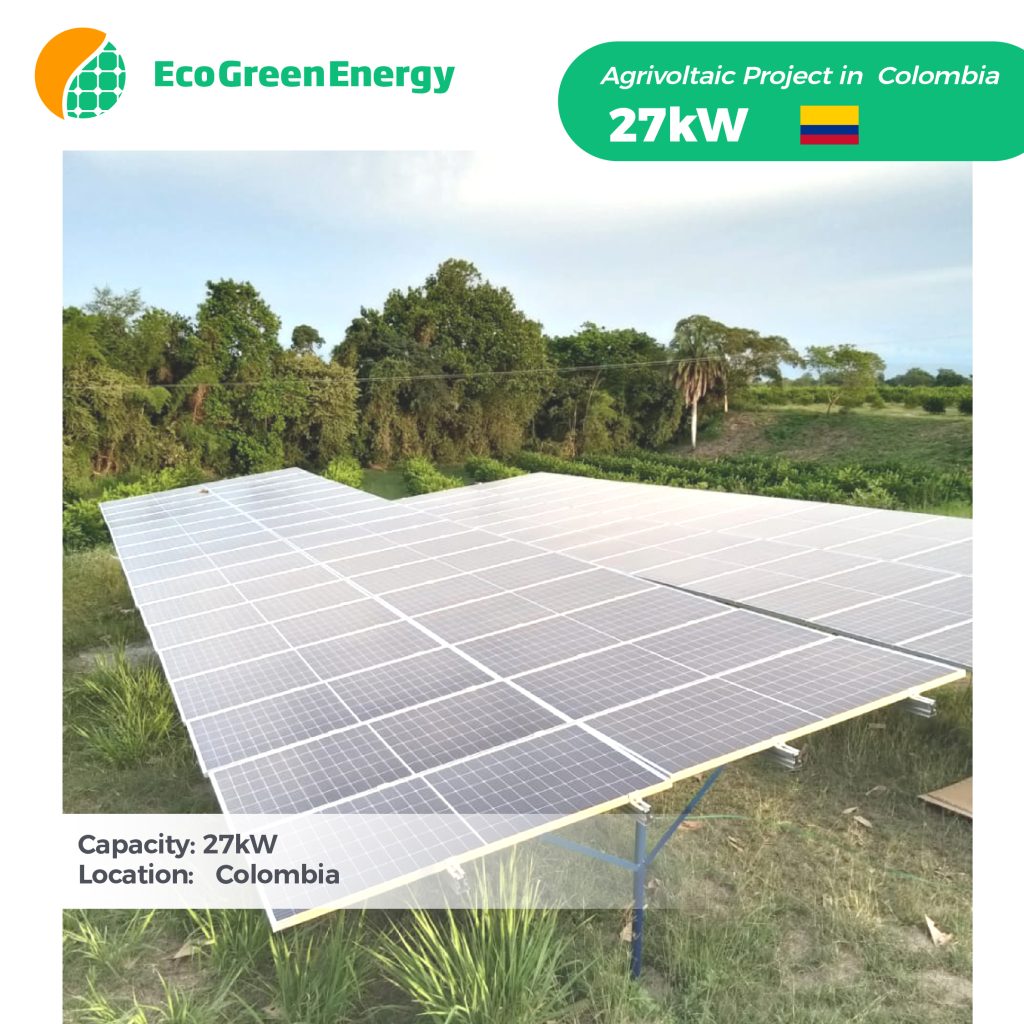
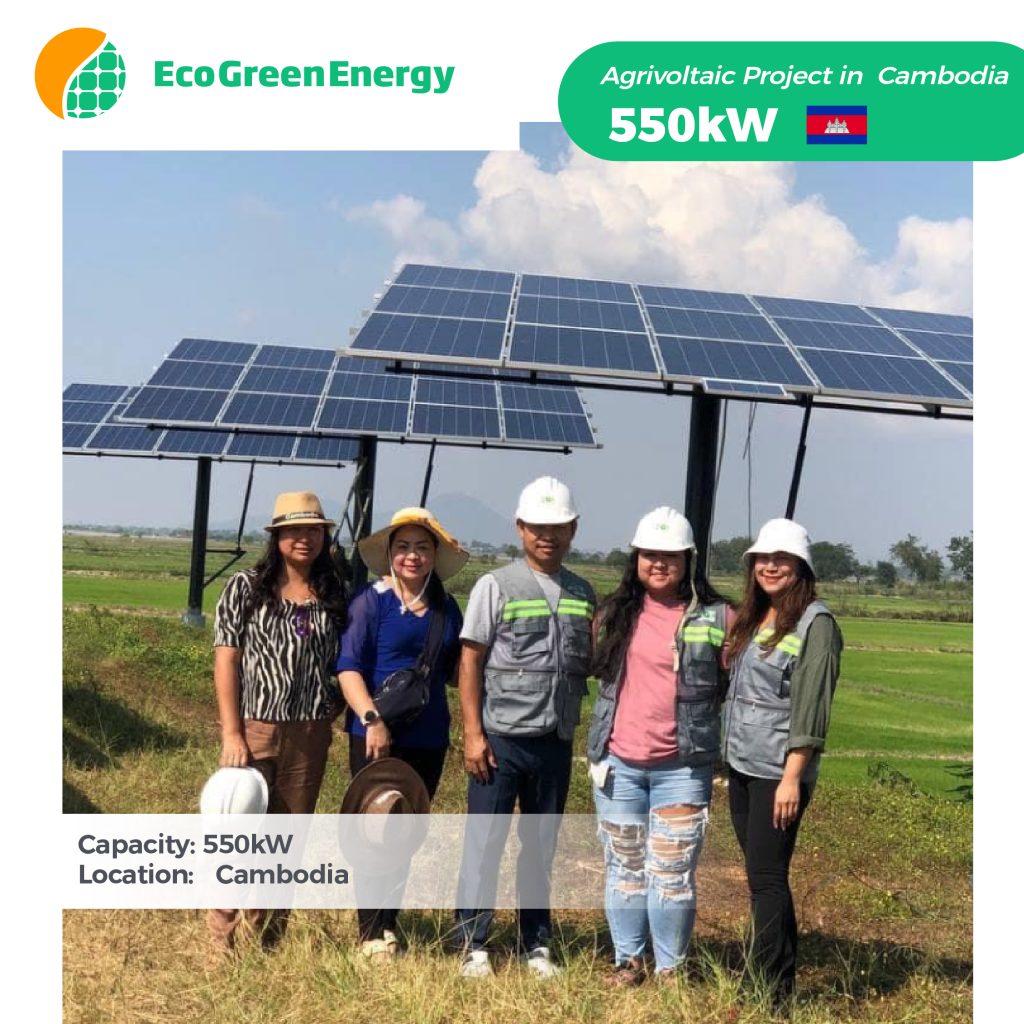
Agrivoltaics. You’ve probably been seeing this word pop around various energy news recently and it’s no wonder. Agrivoltaics is an innovative approach that combines solar energy generation with agricultural land use.
By installing solar panels above crops or alongside farming operations, this system allows for the dual use of land, enabling both food production and energy generation. A real game-changer for farmers, solar developers, and EPCs alike.
With a growing global demand for renewable energy and the need for sustainable farming practices, agrivoltaics is emerging as a key solution to achieve both.
As experts in PV systems (and your partners in solar projects!), we know there are a lot of questions you need answered with practicality. Let’s tackle the biggest questions, spotlight innovative tech, and show how agrivoltaics can increase both energy yields and ROI.
1. How do Agrivoltaics Benefit Crops? (Let’s Get Technical!)
In agrivoltaics, solar panels are typically mounted on structures above crops or grazing areas. These panels generate electricity while simultaneously allowing crops to grow underneath. The solar panels provide partial shade to the crops, which can improve resilience to extreme weather, reduce water needs, and boost crop yields in some cases. PV Modules aren’t just energy generators—they’re microclimate managers. Here’s the science:
- Shade Optimization: Panels reduce heat stress and evaporation. For grapes, a 2024 trial showed a 20% — 60% yield boost under semi-transparent PV, which blocks UV rays but lets photosynthetically active light (PAR) through.
- Rainwater Redirection: Tilted panels can channel rainwater to crops, cutting irrigation needs by up to 20% in arid regions.
- Frost Protection: Elevated PV arrays (1.5–2m high) trap heat overnight, shielding crops like berries from frost.
- Microclimate Regulation: The PV modules help regulate temperature fluctuations, reducing summer heat peaks and mitigating winter temperature drops.
Top PV Technology of Agrivoltaic Panels:
- Bifacial Panels: Capture sunlight on both sides, boosting energy output by 10–15% while casting gentler shade.
- Transparent PV: Lets 30–40% of PAR through (ideal for strawberries or leafy greens).
- Thin-Film Panels: Lightweight, flexible, and perfect for curved structures (e.g., greenhouses).
Case Study: A French vineyard using semi-transparent PV reported a 40% reduction in water use and a 25% increase in grape quality, thanks to optimized light and temperature control.
Pro Tip: Pair crops with panel types. Grapes love semi-transparent PV; root veggies thrive under standard bifacial arrays.
2. What PV Equipment Works Best for Agrivoltaics? (On-Grid vs. Off-Grid)
Your solar setup depends on your grid connection and crop needs. Let’s break it down:
On-Grid Systems:
- Panels: Bifacial or transparent PV (e.g., TOPCon modules for high efficiency in low light).
- Tracking Systems: Single-axis trackers tilt panels to follow the sun, boosting yield by 25%. Bonus: They auto-adjust shade for crops.
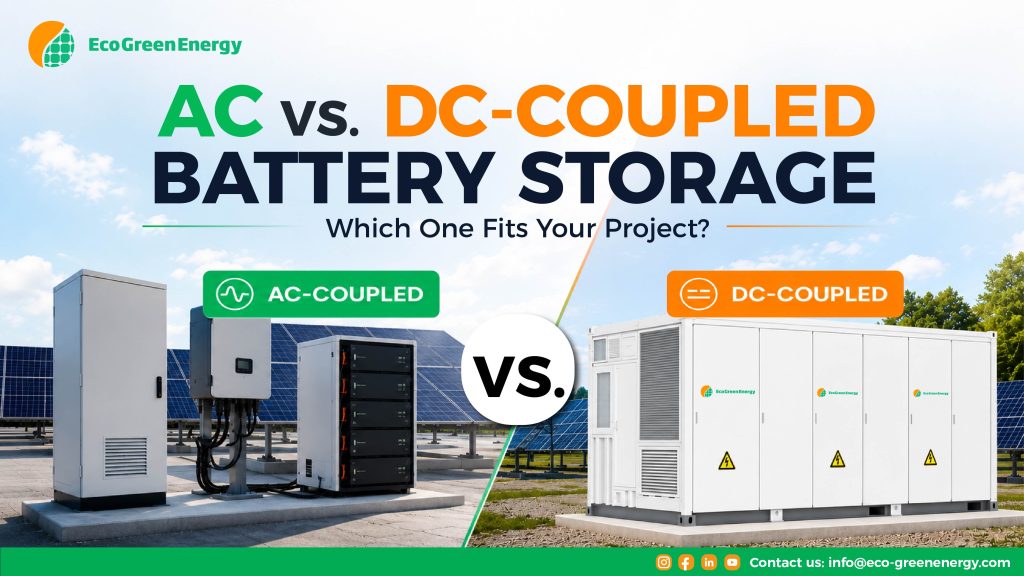
- Inverters: Central inverters for large farms; string inverters for modular setups.
- Monitoring: IoT sensors track panel performance and soil moisture—saving you time and water.
Off-Grid Systems:
- Panels: Durable monocrystalline panels (23%+ efficiency) paired with lithium-ion batteries.
- Hydrogen Add-Ons: Use excess solar to produce hydrogen (via electrolyzers) for fuel or sale. A 2024 pilot in Germany powered tractors and sold H2, cutting diesel costs by 70%.
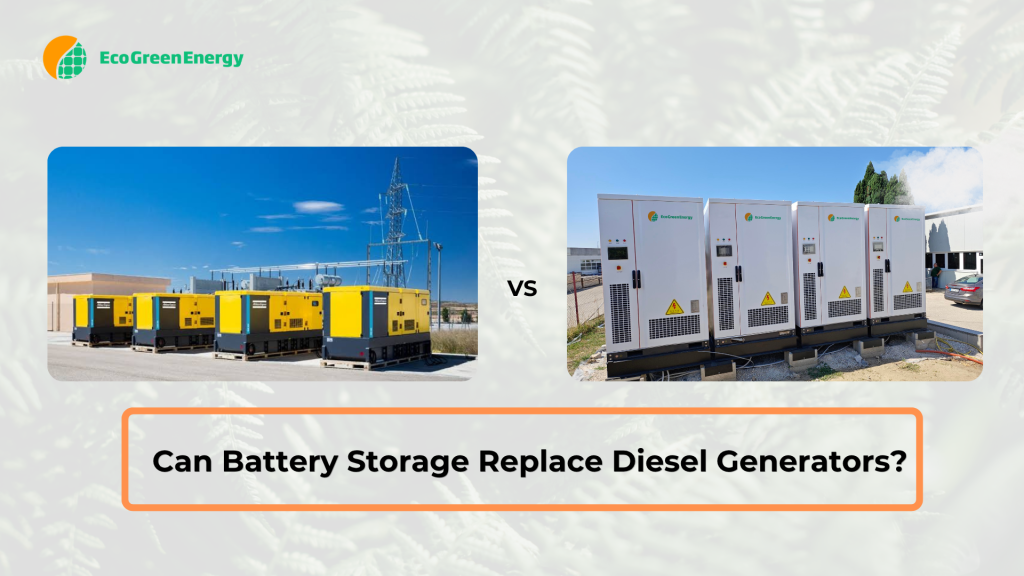
- BESS Integration: Essential for storing solar energy to power farms 24/7
- Microgrid Controllers: Balance energy use between crops, storage, and equipment.
Golden Rule: On-grid? Prioritize high-efficiency panels. Off-grid? Invest in storage.
3. How Do I Avoid ‘Panel vs. Crop’ Wars? (Let’s Talk Mounting Systems!)
The secret? Smart mounting.
- Elevated Structures: Panels mounted 2–4m high let tractors pass underneath. France’s Agri-PV standards recommend this for vineyards and orchards.
- Adjustable Mounts: Manually or motorized tilting systems (like SolarEdge’s row-based trackers) let you tweak shade seasonally.
- Modular Designs: Snap-on panels let you rotate crops or relocate arrays.
4. What’s the ROI? (Asking for My Accountant.)
Agrivoltaics isn’t just green—it’s lucrative.
- Dual Revenue: Sell energy and crops. A strawberry farm using transparent PV reported €12,000/ha/year from energy sales alone.
- Lower Costs: Shade = less irrigation. A 2025 study showed water use dropped 15–30% under panels.
- Grants & Tariffs: France offers €0.18/kWh for agrivoltaic energy; EU grants cover 30–40% of installation.
- Water Conservation: The system also contributes to water savings by reducing irrigation needs by 20% to 70%, depending on environmental conditions.
Math Time:
- Small Farm (5 MW): €1.2M income/year (energy + crop sales).
- Payback Period: 6–8 years (vs. 10+ for standalone solar).
5. Will This Work for My Rocky/Uneven Land?
Agrivoltaics loves a challenge.
- Terrain-Friendly Mounts: Ballasted ground mounts (no digging!) suit rocky soil.
- Floating Solar: Yes, on irrigation ponds! Japan’s floating PV farms generate energy and reduce algae growth.
- Sheep-Friendly Systems: Low-mounted panels on sloped pastures? Sheep graze underneath, trimming your lawn-mowing budget.
6. What’s Next in Agrivoltaic Tech?
What are the trends we will keep hearing about when it comes to agrivoltaics, and the key drivers in technology innovation?
- Perovskite Solar Cells: 30%+ efficiency and semi-transparent—coming by 2026.
- AI-Driven Systems: Machine learning adjusts panel angles in real-time (prototype tested in Spain, 2024).
- PV Greenhouses: Custom spectra! Red-blue light for tomatoes; UV-blocking for herbs.
- More BESS integrations, especially with increasing PV module prices. Worth noting the decrease in electricity prices in France may also lead to more favorable regulations or funding programs for the integration of Battery Energy Storage Systems with various renewable energy systems.
Why Partner With Us? (Your Project Allies)
We’re not just your top PV module manufacturers—we’re solution providers. Here’s how we add value to you as a partner:
- Tailored Tech: We tailor the equipment based on your project needs, from adapting to industry and climate to specific regulatory and other requirements. We also provide you with the complete solution with accessories, inverters, mounting systems, and of course, BESS.
- Project Management: Project and feasibility study, project design, production, after-sales, marketing support, and more.
- O&M Plans: Drone-based panel cleaning, IoT monitoring, and crop health analytics.
Conclusion: Your Farm’s Future is Dual-Purpose
Agrivoltaics isn’t about choosing between solar and crops—it’s about harvesting both. With smart tech, savvy mounts, and a partner who knows panels inside out, your farm can generate clean energy, juicier strawberries, and a whole lot of bragging rights.
Interested in exploring Eco Green Energy’s Agrovoltaics for your next project? Reach out to us today to see how we can integrate these technologies into your energy solution.