
Energy costs are rising, grid reliability is uncertain, and sustainability goals are becoming stricter. Industrial and commercial businesses need smarter energy solutions. Battery Energy Storage Systems (BESS) offer a way to cut costs, improve energy security, and support sustainability. But integrating energy storage into an existing operation requires planning. This guide provides a step-by-step approach to successfully incorporating BESS into industrial and commercial projects.
Why Businesses Need Energy Storage
Before investing in an energy storage system, it’s essential to identify the key benefits for any business or industry:
- Cost Reduction – Minimize demand charges and take advantage of time-of-use (TOU) pricing.
- Energy Reliability – Ensure backup power during outages and reduce operational disruptions.
- Sustainability Compliance – Support carbon reduction initiatives and meet ESG (Environmental, Social, and Governance) goals.
- Grid Independence – Reduce reliance on unstable power grids and mitigate energy price volatility.
What to consider for Energy Storage Integration
A well-planned integration of BESS boosts performance optimization, faster ROI, and long-term cost savings. Here’s how to ensure a smooth transition:
1. Define Your Energy Storage Goals
Energy storage can serve different purposes, including:
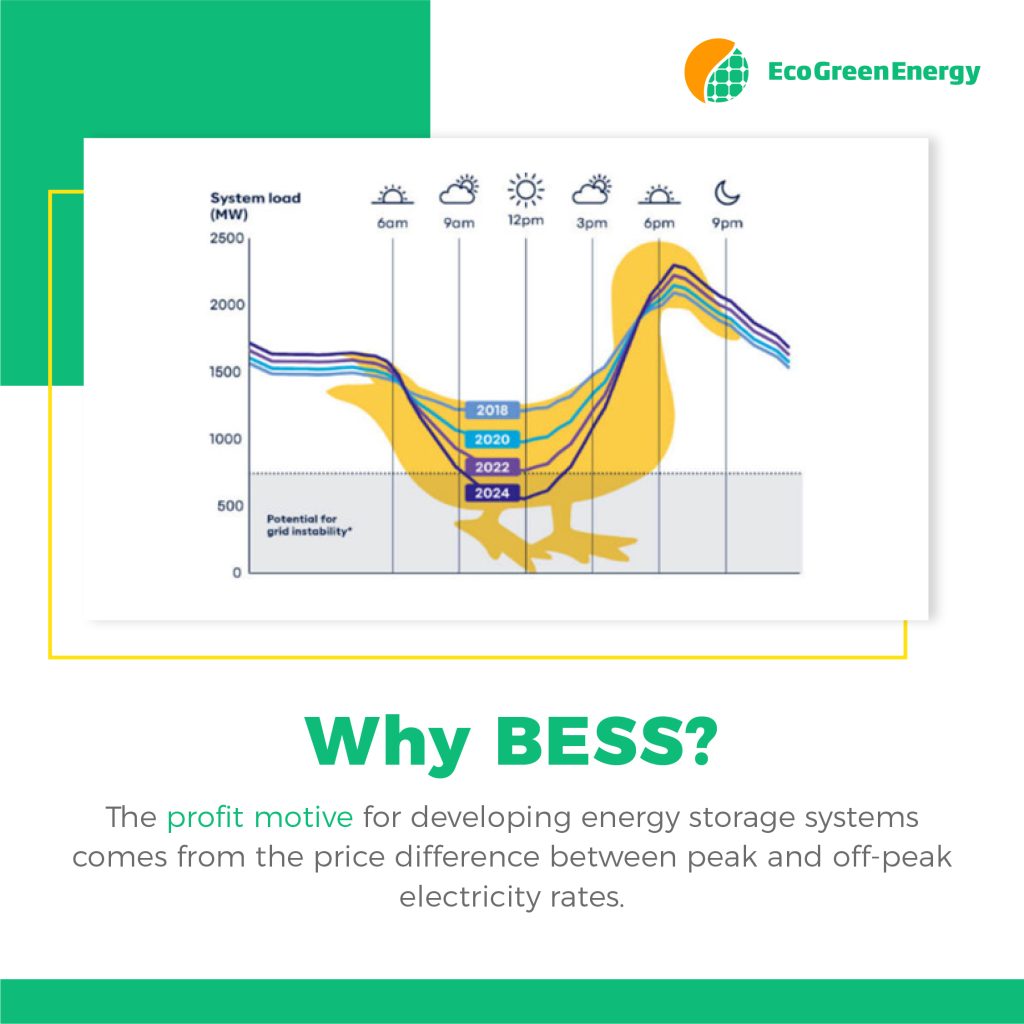
- Peak Shaving – Reducing energy costs by storing electricity when prices are low and using it during peak demand.
- Load Shifting – Moving energy consumption to off-peak hours to save on utility costs.
- Backup Power – Providing uninterrupted power in case of grid failure.
- Renewable Energy Integration – Storing excess solar or wind energy for later use.
- Demand Response – Selling stored energy back to the grid during high-demand periods.
Understanding your primary goal will help determine the right system size, type, and configuration.
2. Choose the Right Energy Storage Technology
Different battery technologies serve different needs. The most common types include:
- Lithium-Ion Batteries – High efficiency, long cycle life, and fast response time. Ideal for commercial and industrial applications.
- Lead-Acid Batteries – Lower cost but shorter lifespan and lower efficiency. Suitable for limited backup applications.
- Flow Batteries – Suitable for long-duration storage but require more space and higher upfront investment.
- Hybrid Systems – Combine multiple storage technologies for enhanced flexibility and efficiency.
3. Evaluate System Sizing and Scalability
Oversized systems lead to unnecessary costs, while undersized systems won’t meet energy needs. Consider:
- Current Energy Demand – Analyze peak loads and daily consumption patterns.
- Future Growth – Ensure scalability to meet expanding energy needs.
- Renewable Energy Integration – Match battery capacity with solar or wind generation.
A well-sized system balances cost and performance, ensuring maximum value.
4. Understand the Components of a BESS
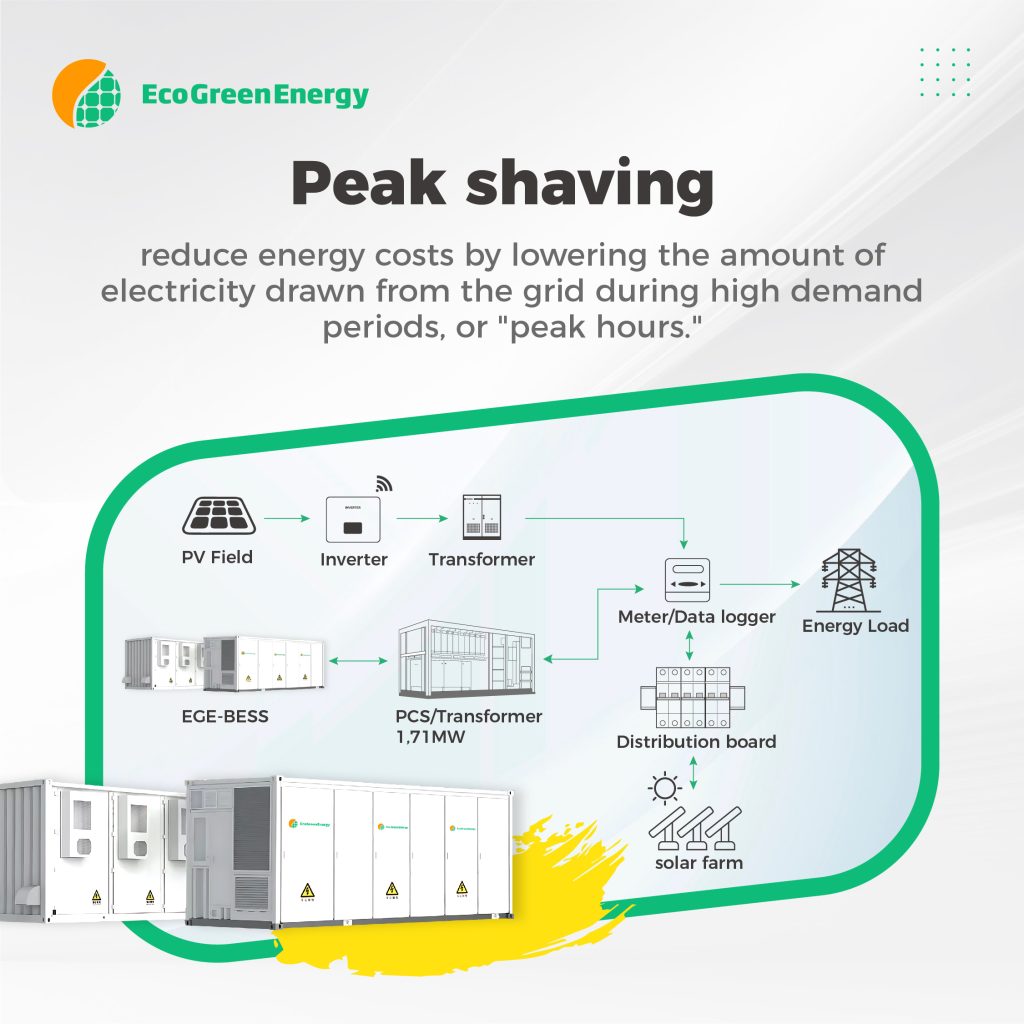
A complete BESS includes:
- Battery Modules – Store and release energy as needed.
- Power Conversion System (PCS) – Converts electricity between AC and DC for grid or on-site use.
- Energy Management System (EMS) – Optimizes charging and discharging based on energy needs.
- Inverter – Converts stored DC power into usable AC power.
Data Logger & Monitoring Software – Tracks performance and alerts operators to issues.
5. Ensure Proper Installation and Site Selection
Key factors to consider for installation:
- Space Requirements – Ensure adequate room for battery storage and related equipment.
- Safety Regulations – Follow fire safety codes, ventilation needs, and structural requirements.
- Grid Interconnection – Meet local utility regulations and secure necessary permits.
- Environmental Conditions – Protect against extreme temperatures, moisture, and potential hazards.
A well-planned installation ensures long-term efficiency and compliance.
6. Evaluate Project Costs and Financial Incentives
While BESS requires upfront investment, strategic financial planning enhances ROI:
- Initial Capital Costs – Includes equipment, installation, and engineering.
- Operational & Maintenance Costs – Routine servicing, battery replacements, and system monitoring.
- Incentives & Tax Credits – Many governments offer rebates and financial incentives for energy storage.
- Energy Savings – Lower utility bills, demand charge reductions, and revenue from grid services.
Proper financial analysis ensures a profitable energy storage investment.
7. Implement a Monitoring and Maintenance Strategy
Continuous monitoring improves performance and longevity. Key practices include:
- Regular System Inspections – Check for battery health, degradation, and component wear.
- Performance Monitoring – Use an EMS to track energy usage and optimize efficiency.
- Firmware & Software Updates – Keep system software up to date for better performance and security.
- Emergency Response Plan – Establish protocols for system failures or grid outages.
A proactive maintenance approach minimizes downtime and extends battery life.
8. Planning the Project Timeline
A structured approach helps ensure a successful implementation:
- Feasibility Study & Proposal (2 weeks) – Assess needs and site conditions.
- Design & Approval (3 weeks) – Finalize system layout and get necessary permits.
- Procurement & Manufacturing (6 weeks) – Order and build system components.
- Installation & Testing (4 weeks) – Set up hardware and ensure optimal operation.
- Commissioning (1 week) – Final checks before going live.
9. Evaluating Return on Investment (ROI)
A well-integrated energy storage system can lead to:
- Cost reductions starting from the third year of operation.
- Elimination of emissions penalties and carbon footprint reduction (up to 100% CO₂ cut).
Case Study: Successful BESS Integration in an Industrial Facility
A manufacturing plant facing high energy costs and grid instability integrated a 5 MW PV-BESS system. Key predicted results:
- 25% reduction in electricity costs through peak shaving and load shifting.
- Increased energy reliability with a 5-hour backup power supply.
- 40% lower carbon footprint by integrating renewable energy storage.
- ROI planned to be achieved within 3 years, with long-term operational savings.
This case highlights the financial and operational benefits of a well-implemented BESS.
Conclusion
Integrating energy storage in industrial and commercial projects is a smart investment that improves cost efficiency, energy reliability, and sustainability. By following a structured approach—defining goals, selecting the right technology, optimizing system design, and ensuring proper installation—businesses can maximize their energy savings and enhance long-term resilience.
If you’re considering energy storage for your business, start with a feasibility assessment to determine the best solution for your needs.
Contact us today to learn more about our project development services. Feel free to subscribe our LinkedIn Newsletter for more insights, industry news and updates from Eco Green Energy and reach out through email: info@eco-greenenergy.com


