The Hidden Metrics That Define Solar ROI
Too often, PV module efficiency steals the spotlight in solar project evaluation. But real project profitability depends on more nuanced metrics that many EPCs and installers sometimes overlook. While a 23.7% efficient panel might seem superior to a 22% alternative, the actual return on investment story involves five critical factors that can make or break long-term project success. Smart installers and EPCs who understand these hidden metrics consistently deliver projects that outperform expectations and generate superior returns for decades.
1. LCOE: The Real Benchmark That Matters
Levelized Cost of Electricity (LCOE) reveals the true economic picture that module price and efficiency alone cannot capture. According to Lazard’s 2025 LCOE analysis, utility-scale solar achieves $38-78 per MWh, making it the most cost-competitive form of generation in the United States.
The LCOE advantage becomes clear when comparing total system costs. High-efficiency panels often reduce Balance of System (BOS) expenses by requiring fewer mounting structures, reduced cabling runs, and simplified electrical designs. BloombergNEF forecasts a 2% global decline in solar LCOE for 2025, with fixed-axis projects potentially reaching $0.035 per kWh.
Smart professionals calculate LCOE across the entire project lifecycle, factoring in land use efficiency, installation complexity, and long-term maintenance costs. A higher-efficiency panel that costs 15% more per watt might deliver 25% lower total LCOE when system-wide impacts are considered. This explains why leading developers increasingly prioritize LCOE optimization over simple efficiency metrics.
2. Degradation Rate: Where Long-Term Value Lives or Dies
Panel efficiency fades over time, and the rate of degradation dramatically impacts total lifetime output. Current industry research shows that modern PV modules achieve 0.40% annual degradation rates over 30 years, but real-world performance varies significantly based on environmental conditions and manufacturing quality.
The difference between 0.35% and 0.55% annual degradation translates to substantial output variations over project lifecycles. A system with 0.35% degradation retains 89.7% of its original capacity after 25 years, while 0.55% degradation leaves only 87.4% capacity—a 2.3 percentage point difference that compounds annually.
Degradation researches show that Potential-Induced Degradation (PID) can cause up to 30% power loss if not properly managed. Thermal cycling creates additional stress, with temperature variations of 15-30°C generating 10-18.9 MPa of thermal stress that accelerates material fatigue.
Long-term warranties must be backed by real track records, not just marketing promises. Our recommendation is to verify manufacturer degradation claims through third-party testing and historical performance data before making major procurement decisions.
3. BOS Costs: The Hidden Goldmine of Installation Savings
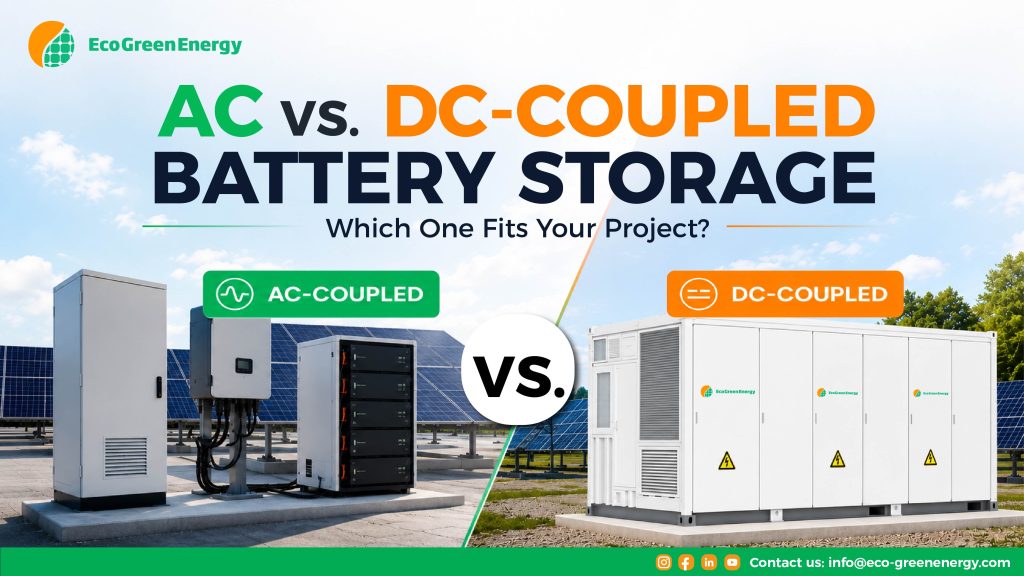
Balance of System costs often represent the largest opportunity for ROI improvement, yet they receive less attention than module specifications. DC-optimized systems can deliver up to $4,694 in BOS savings compared to traditional string inverters on a 140kW commercial project.
Higher-power modules create cascade effects throughout system design. Fewer strings reduce cable requirements, simplify combiner box configurations, and minimize electrical connection points. The 2025 solar market faces new challenges, with tariffs increasing module costs by 13% year-over-year in distributed generation segments, making BOS optimization even more critical.
Installation labor represents a growing cost component that smart module selection can dramatically reduce. Unstable metal prices and new carbon regulations are additional factors that contribute to the need for efficient installation practices.
ROI often derives from these “hidden” reductions rather than headline module costs. Experienced installers will know how to calculate total installed cost per watt, including reduced inverter requirements, simplified racking systems, and faster installation times. Installation cost optimization through efficient techniques and smart component selection significantly reduces overall project expenses.
4. Reliability & Warranty Value: Your Insurance Policy Against Downtime
Panel failures create downtime costs that extend far beyond replacement expenses. Lost production, truck rolls, and system re-commissioning can cost thousands per incident. With recent bankability testing showing increased issues related to humidity, thermal cycling, and potential-induced degradation.
Real bankable warranties require strong manufacturer stability and comprehensive after-sales support networks. Bankability assessment involves two major components: equipment quality and warranty coverage. Quality panels ensure efficient energy production with minimal maintenance over decades.
Standard offerings now include 25-year product warranties and 30-year linear power warranties, but the devil lies in exclusions and manufacturer financial strength.
Choosing a partner matters as much as choosing a product. The most comprehensive warranty becomes worthless if the manufacturer lacks the financial stability or service infrastructure to honor claims. Evaluate manufacturer balance sheets, service depot locations, and historical claim resolution performance when making long-term equipment decisions.
5. Adaptability to Site Conditions: Environmental Insurance for Consistent ROI
Modules designed for specific environmental stressors ensure consistent ROI across diverse deployment conditions. Environmental factors like salt exposure, humidity, UV radiation, and thermal cycling significantly impact long-term performance.
Coastal installations face accelerated degradation from salt-laden moisture that penetrates module seals, causing internal circuit corrosion. Desert deployments must withstand extreme temperature cycling and intense UV exposure that accelerates EVA material aging. Mountain installations encounter snow loading, hail impact, and rapid temperature fluctuations.
Without proper environmental adaptation, replacement costs and performance degradation eat into project margins throughout the system lifetime. Advanced cell technologies like TOPCon, HJT, and back-contact designs offer improved resilience to environmental stresses while delivering higher efficiency.
Match module specifications to local environmental conditions rather than selecting based solely on lowest cost or highest efficiency ratings. This includes evaluating frame materials for corrosion resistance, backsheet formulations for UV stability, and encapsulant chemistry for humidity tolerance. Site-specific optimization prevents the performance dips that can devastate long-term project economics.
Reframing Solar ROI for Long-Term Success
Real solar ROI optimization requires moving beyond the “cheapest panel versus highest efficiency” mindset toward comprehensive system thinking. The five hidden metrics—LCOE optimization, degradation management, BOS cost reduction, reliability assurance, and environmental adaptation—collectively determine whether projects deliver expected returns over 25+ year lifespans.
The combination of reliability, optimized degradation rates, BOS efficiency, and partner trust creates sustainable value that simple efficiency metrics cannot capture.
This holistic approach enables delivery of projects that actually perform as modeled for decades, building reputation and repeat business in an increasingly competitive market. Today’s installation decisions determine tomorrow’s performance reality—and long-term success requires looking beyond the obvious metrics to find where real value lives.
Do you have a project in mind? Contact us to help you design it and bring it to life from start to finish: info@eco-greenenergy.com or subscribe to our LinkedIn Newsletter for more insights, industry news, and updates from Eco Green Energy.