How the Right Solar Panel Making Machines are Shaping PV Efficiency
Photovoltaic (PV) production is an intricate process where machinery is KEY in ensuring high-quality, efficient, and cost-effective solar panels. In this article, we’ll explore the key machines driving PV module production, their roles in the process, and how they are shaping trends in the solar industry. We’ll also dive into how these machines influence pricing, what the best machines are, and why understanding these trends is important for buyers.

Key Solar Panel Production Machines
The production line involves several specialized machines, each as complex and diverse as the production process itself. Let’s break down the key PV module manufacturing equipment and how they contribute to the overall process:
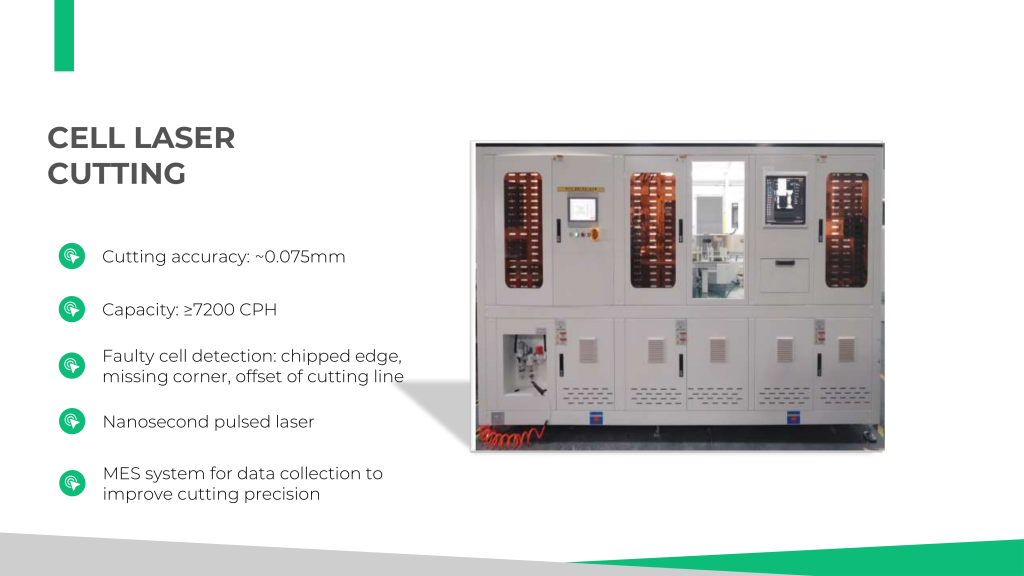
Silicon Wafer Cutting Machines
The heart of solar cell production lies in silicon wafers. These wafers are the building blocks of solar cells. Wafering machines use diamond wire saws to slice silicon ingots into thin sheets, often less than 200 microns thick. Precision in this step is essential to avoid material loss an d ensure uniformity for efficient solar cells.
Why it matters: Reducing material waste during this step is essential for cost-effectiveness. Efficient wafering processes also allow manufacturers to maximize the number of cells produced from each ingot, improving yield and profit margins.
Doping Machines
Doping is the process of introducing impurities into silicon wafers to create positive (p-type) and negative (n-type) layers, which are critical for the electrical properties of the solar cell. The doping process involves using phosphorus or boron in specific chambers that precisely add the right amount of impurity.
Why it matters: The doping process is crucial to ensure that the solar cells can effectively convert sunlight into electricity. Precision in doping directly influences the efficiency and longevity of the cells.
Laminating Machines
After cells are produced, the next step is module assembly. Here, laminating machines come into play, bonding the solar cells together between layers of glass, EVA film, and backsheet. This ensures that the cells are protected from weather conditions while maintaining high efficiency.
Why it matters: The lamination process ensures the durability and long-term performance of the modules. Higher-quality lamination results in solar panels that are less prone to environmental degradation and maintain optimal performance over time.
Testing and Sorting Machines
Quality control is an essential part of the PV production process. Testing and sorting machines are used at several stages to ensure that the solar cells and modules meet industry standards. Electroluminescence (EL) testing machines are commonly used to detect internal defects in the cells, while I-V (current-voltage) testing machines evaluate how efficiently the module generates electricity. It’s always important to ask for your EL test report from your manufacturer, remember, it is your right to do so!!
Why it matters: These tests are critical for ensuring the reliability and performance of solar panels. Detecting and correcting defects early in the production process helps manufacturers deliver high-quality products to the market and reduces the risk of warranty claims.
Trends Shaping Machinery in PV Production
As demand for solar energy grows, so does the need for faster, more efficient, and more cost-effective production. Machinery innovations are making it possible to scale up production while maintaining high quality. Here are the key trends shaping the machinery in PV module production:
Automation and Robotics
Automation has revolutionized solar production. Robotic arms and automated handling systems are now used extensively to handle delicate materials like silicon wafers and solar cells. This reduces human error, increases production speed, and ensures consistency across modules.
Why it matters: The move toward automation and robotics helps solar manufacturers scale production while maintaining consistent quality. It also reduces the need for manual labor, lowering operational costs and improving profit margins.
Advanced Materials and Technologies
Advancements in materials science have led to the development of new, more efficient solar cell technologies. Bifacial solar panels, for example, capture light from both the front and back of the panel, potentially increasing energy output by 20-30% under certain conditions. PERC technology (Passivated Emitter and Rear Contact) is another major innovation, improving the efficiency of solar cells by capturing more sunlight and reducing energy losses.
AI and Machine Learning Integration
Artificial intelligence (AI) is beginning to play a critical role in solar production. AI-powered machines monitor every aspect of the production process, from cutting to testing. These machines can adapt in real-time to optimize settings, ensuring the highest efficiency and fewer defects.
Why it matters: AI allows manufacturers to predict maintenance needs, identify defects early, and optimize production lines for continuous improvement. This intelligent automation not only improves productivity but also reduces costs. Companies like ABB and Siemens are leading the charge in integrating AI into solar module production lines.
Energy Efficiency and Sustainability
As the solar industry focuses on becoming more sustainable, machinery used in PV production is also evolving. New machines are being designed to be more energy-efficient, reducing the overall carbon footprint of manufacturing.
Why it matters: Energy-efficient machines not only reduce operating costs but also align with the global push for sustainable manufacturing practices. By integrating energy-saving machinery, manufacturers are contributing to a greener industry.
How Machinery Affects Pricing in Solar Panel Production
The cost of solar modules is directly influenced by the machinery used in their production. Let’s see how:
- Initial Investment in Machinery
Advanced machinery can be expensive. However, once the machines are up and running, they significantly reduce labor costs and improve production speeds, which lowers the cost per watt of electricity generated by the panels. This makes it more affordable for buyers to access high-quality solar panels. - Lower Material Waste
Better precision in machinery means less material waste, which directly lowers costs. For example, more efficient wafering and doping processes reduce the amount of silicon needed for each module, improving overall cost efficiency. - Price Impact on End Users
As machinery advances, production costs drop, which leads to lower prices for solar modules in the market. Over the past decade, the price of solar modules has dropped significantly due to improvements in machinery. According to BloombergNEF, the price of solar modules has fallen by 80% since 2010.
Conclusion
The equipment behind PV module production is at the heart of the solar revolution. As technology continues to evolve, the role of automation, AI, and energy-efficient machines will only grow. For buyers, understanding the role of these machines is essential in making informed purchasing decisions. By choosing manufacturers with the latest machinery, ISO certifications, or other important quality certificates, you can ensure you’re investing in high-quality, cost-effective solar panels that are built to last.
Feel free to subscribe our LinkedIn Newsletter for more insights, industry news and updates from Eco Green Energy and reach out through email: info@eco-greenenergy.com